Покупатель заходит в магазин одежды, смотрит на витрину и останавливается. Сложенные рубашки аккуратно сложены, но на уровне глаз первое, что они видят, — это масса загнутых краев, а не воротники или пуговицы. Это обычная проблема в розничной торговле: решение о том, размещать ли сложенные рубашки выше или ниже линии сгиба и какая сторона сгиба должна быть обращена к покупателю.
Если вы настраиваете витрину одежды, которая конвертирует посетителей в покупателей, вот прямой ответ: сложите рубашки краем сгиба вниз и расположите их над линией сгиба — на уровне глаз покупателя или чуть выше него. Благодаря этому чистый воротник и передняя деталь становятся первым визуальным сигналом, привлекающим внимание и приглашающим к более тщательному рассмотрению.
Контент
В розничной торговле термин «складка» относится к двум практическим точкам: физической линии сгиба — видимой линии сгиба на полке или витрине — и загнутому краю самой рубашки. И то, и другое влияет на то, как покупатели воспринимают ваш товар.
Когда сложенная рубашка находится ниже линии сгиба, ее, скорее всего, не заметят, поскольку она выходит за пределы естественного конуса обзора покупателя. Когда рубашка находится выше линии сгиба, она попадает в основную зону просмотра. Простая геометрия человеческого зрения означает, что предметы, расположенные на уровне глаз или чуть выше, привлекают значительно больше внимания, чем предметы, расположенные на более низкой высоте.
Линия сгиба в витрине для розничной торговли часто представляет собой высоту, на которой передний край полки встречается с вертикальной поверхностью витрины. Это также может относиться к воображаемой линии, которая разделяет обычное поле зрения клиента. На практике линия сгиба, расположенная на высоте от 140 до 160 см от пола, обозначает переход между «над сгибом» и «ниже сгиба». Выше этой линии отображаемые предметы четко видны при минимальном движении головы или тела. Под ним покупатели должны смотреть вниз, что сокращает время, затрачиваемое на осмотр товаров.
Таким образом, размещение сложенных рубашек над линией сгиба делает их лучшим местом любого розничного магазина. Здесь покупатели ожидают найти избранные товары, сезонные акции и бестселлеры.
Когда рубашка сложена, у нее образуются две видимые стороны: край сгиба и сторона воротника/горловины. При розничной выкладке рекомендуется складывать рубашки сгибом вниз, чтобы воротник и все детали передней части были видны покупателю.
Этот принцип применим независимо от того, выставлена ли рубашка на столе, полке или внутри витрины. Чистая линия воротника сигнализирует о качестве и помогает покупателям быстро определить стиль и посадку. Сгиб, обращенный вниз, также сохраняет стопку аккуратной и однородной, поскольку загнутые края образуют плоскую однородную поверхность.
| Ориентация | Влияние на мнение клиентов | Лучший вариант использования |
|---|---|---|
| Загните край вверх | Показывает собранную линию подола; меньше визуальной информации для клиента | Редко рекомендуется для сложенных рубашек в розничной торговле; может быть приемлемым для базовых футболок в условиях, ориентированных на скидки |
| Загните край вниз | Обнажает воротник и детали переда; с первого взгляда передает посадку и стиль | Рекомендуется для всех сложенных рубашек на витринах розничной торговли, в том числе в дорогих магазинах. |
После того, как вы правильно сориентировали складку, следующим решением будет высота. Вопрос «выше или ниже сгиба» по существу касается размещения в торговом пространстве.
Стандартное правило визуального мерчендайзинга: располагайте сложенные рубашки выше линии сгиба — в естественной зоне уровня глаз покупателя. Размер этой зоны обычно составляет от 130 до 170 см, в зависимости от среднего роста покупателя и типа торгового помещения. Идеально подойдет витрина или настенный блок, в котором верхняя или средняя полка находится в этом диапазоне.
Если ваша видеостена состоит из нескольких слоев, верхние слои (около 170 см и выше) немного сложнее увидеть, не глядя вверх, а средние слои (между 140 и 160 см) обеспечивают лучший баланс между видимостью и физической досягаемостью. Ниже линии сгиба, на высоте от 60 до 110 см, предметы доступны, но требуют от покупателя смотреть вниз, что снижает вероятность быстрого визуального впечатления.
Для магазинов с отдельно стоящим столом одной столешницы может быть недостаточно. Соедините его с высокой витриной или вертикальным приспособлением, чтобы поднять сложенные рубашки на нужную высоту.
| Тип шкафа | Идеальная высота для сложенных рубашек | Почему |
|---|---|---|
| Высокая стеклянная витрина | 140–170 см | Верхние полки видны на уровне глаз; прозрачное стекло не загораживает рубашки |
| Шкаф для одежды из нержавеющей стали | 120–150 см | Прочный и долговечный; средние полки хорошо подходят для основных предметов |
| Комбинированная витрина | 130–160 см | Универсальная компоновка обеспечивает лучший уровень демонстрации сложенных продуктов. |
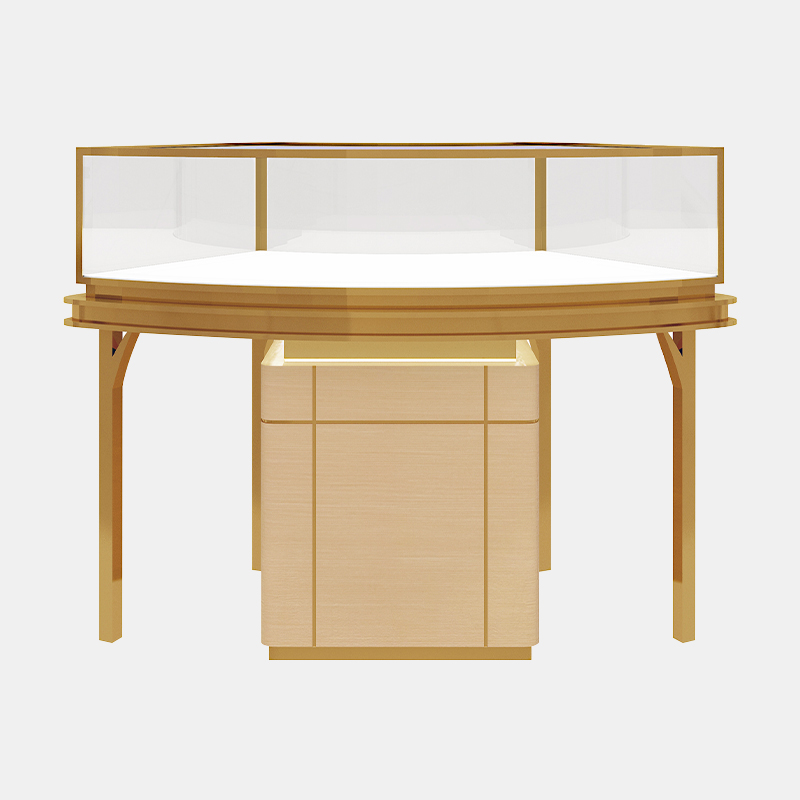
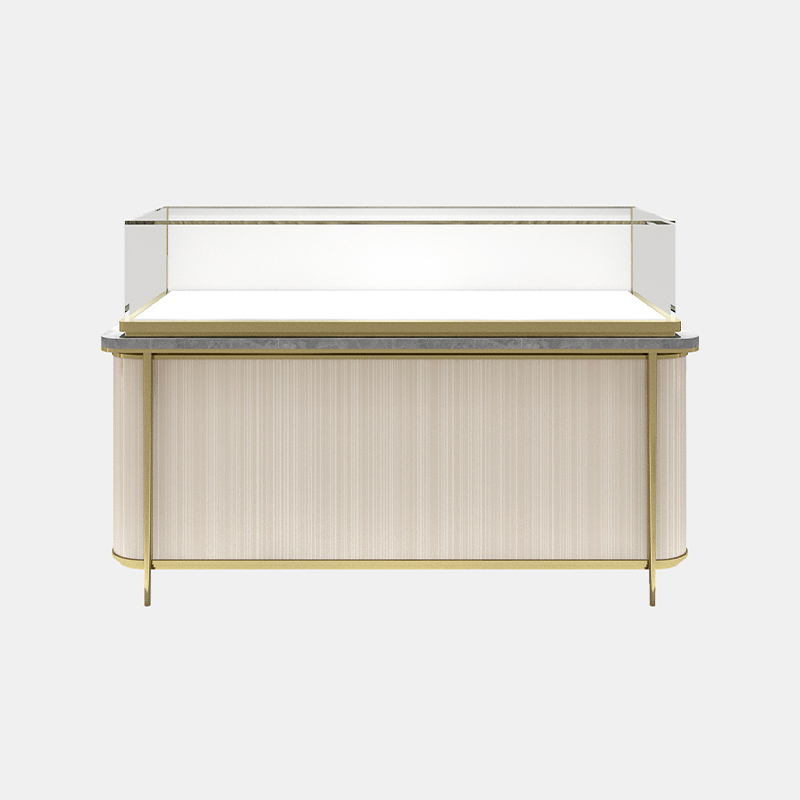
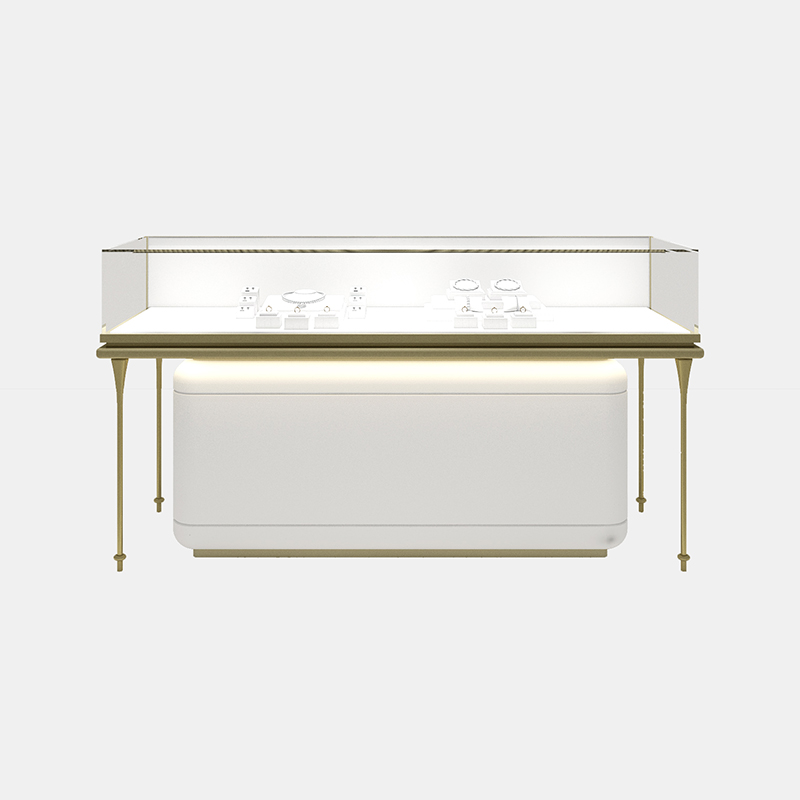
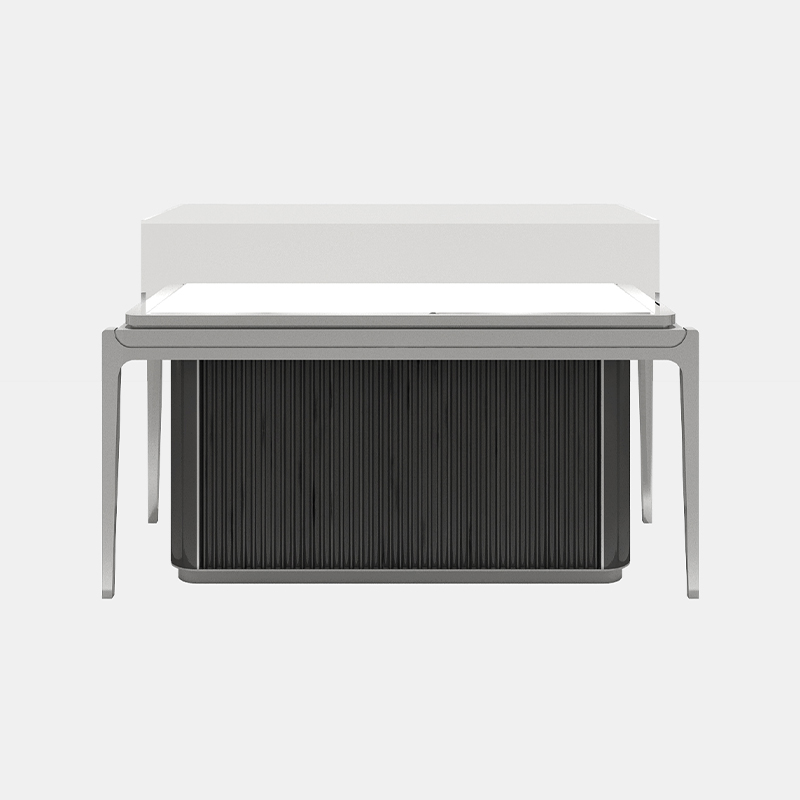
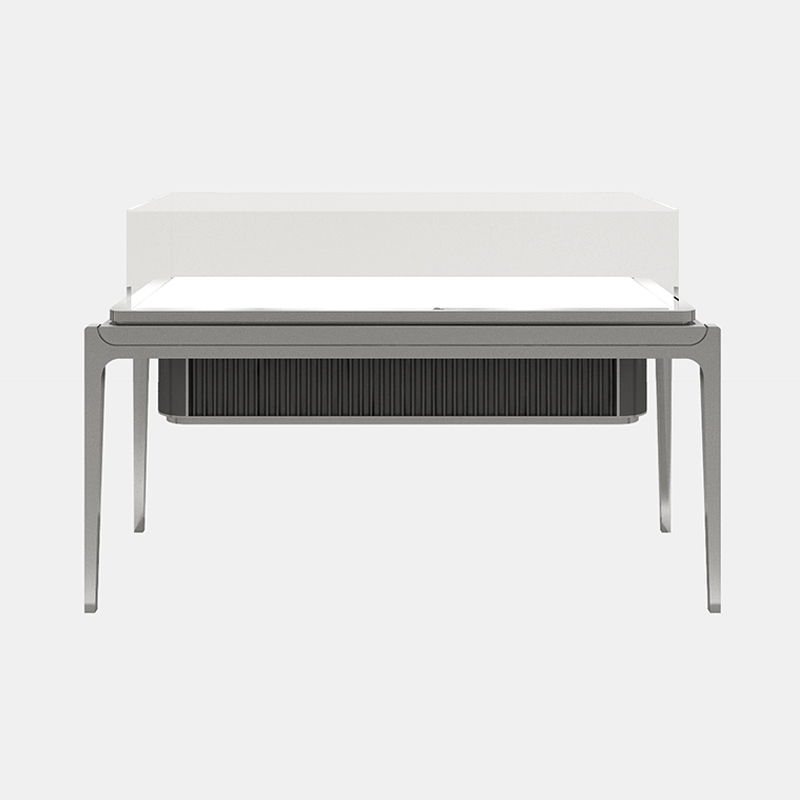
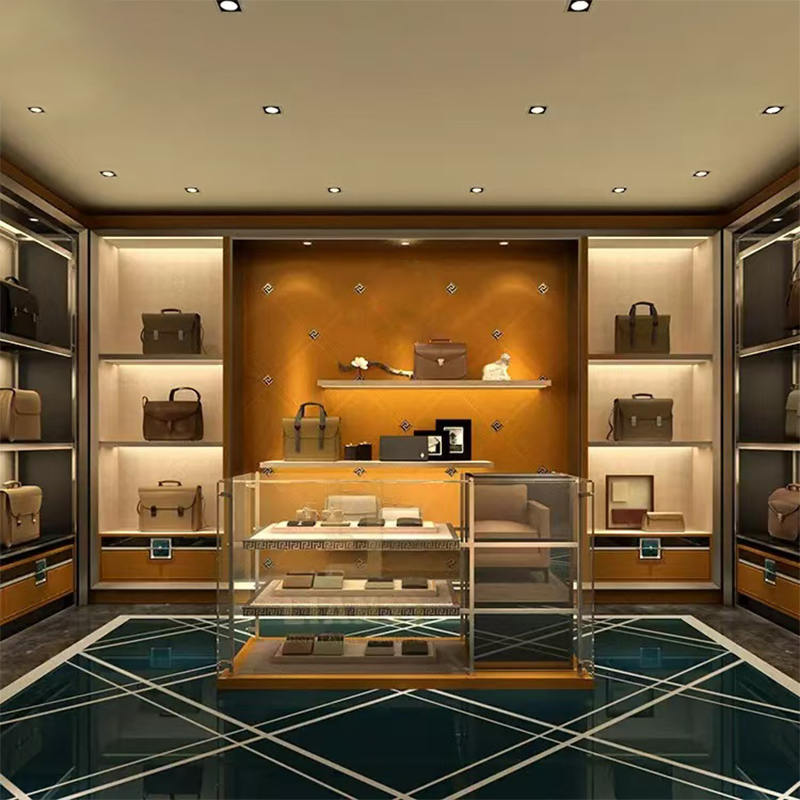 Шкаф-витрина для одежды с высоким стеклом для подъема сложенных рубашек Этот прозрачный стеклянный шкаф с металлической или деревянной рамой обеспечивает хороший обзор товаров, а также обеспечивает высоту, необходимую для размещения сложенных рубашек на уровне глаз, улучшая привлечение клиентов и улучшая видимость. Посмотреть продукт →
 Как показано выше, вовлеченность клиентов резко возрастает по мере увеличения высоты дисплея от низких уровней до диапазона 140–170 см. Пик взаимодействия приходится на линию сгиба, которая обычно составляет около 140 см, и выше нее. Размещенные здесь рубашки привлекают наибольшее внимание покупателей, прогуливающихся по магазину.
Сложенные рубашки выглядят лучше всего, когда они сложены последовательно и поддерживаются правильными вспомогательными приспособлениями. Складная доска обеспечивает одинаковый размер всей стопки, что напрямую влияет на визуальный ритм дисплея. Вот ключевые шаги, которые используют профессиональные визуальные мерчендайзеры:
При укладке следуйте правилу «один цвет — разные размеры»: самый маленький размер кладите вверху, а самый большой — внизу. Это позволяет клиентам быстро определить свой размер, сохраняя при этом стопку стабильной. Для магазинов с ограниченной площадью специальная складная витрина с вертикальными перегородками может максимизировать количество выставленных рубашек без беспорядка.
Качественные витрины также играют важную роль. Хорошо спроектированный шкаф не только защищает сложенные рубашки от пыли и манипуляций, но и поднимает их на нужную высоту. Для создания обтекаемого вида часто лучшим решением является высокий стеклянный шкаф с регулируемыми полками. Для более индустриального и долговечного подхода шкаф для одежды из нержавеющей стали имеет чистый, современный вид и превосходную долговечность.
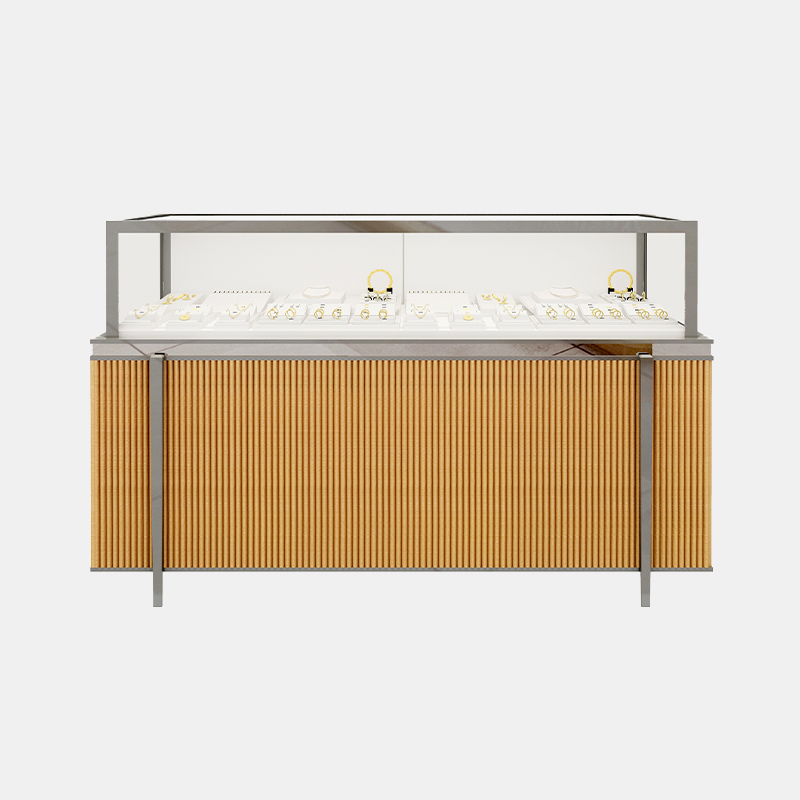
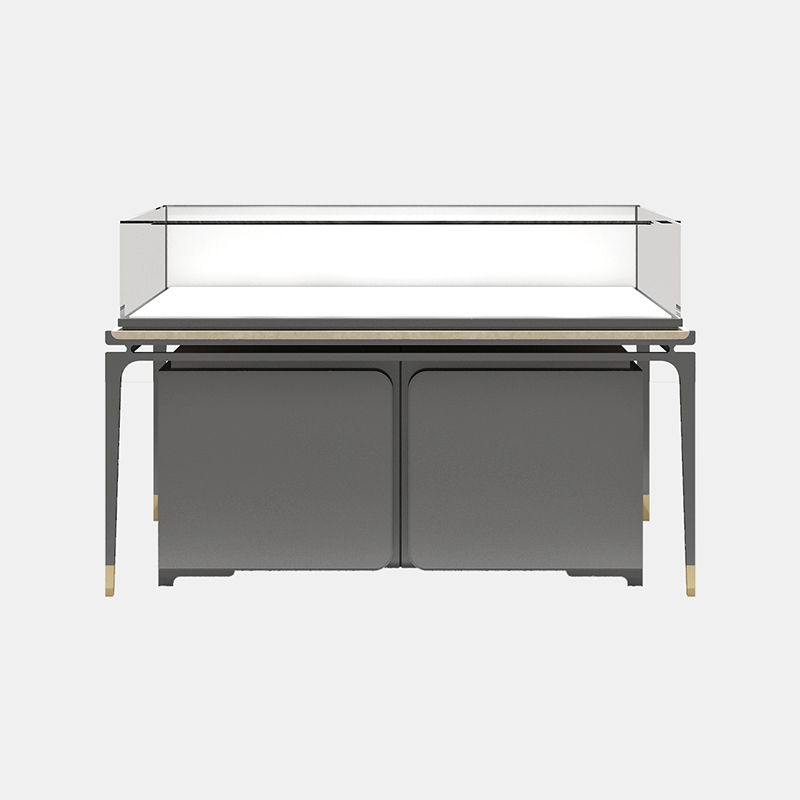
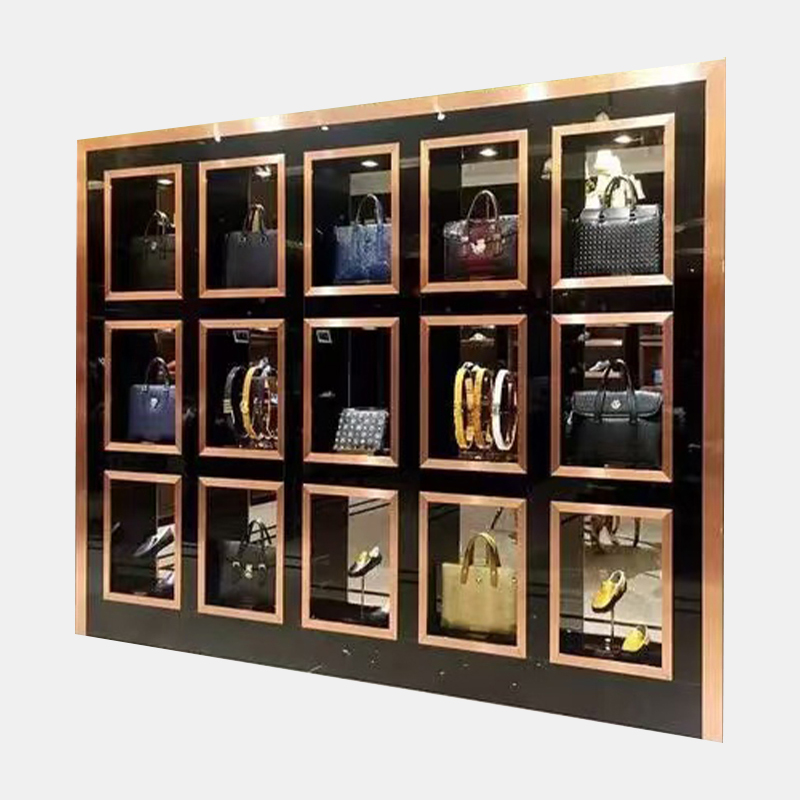 Шкаф-витрина для одежды из нержавеющей стали для прочного использования в розничной торговле Этот шкаф, изготовленный из нержавеющей и устойчивой к коррозии нержавеющей стали, сочетает в себе долговечность и современный внешний вид, эффективно поднимая сложенные рубашки на оптимальную высоту для просмотра и улучшая общий внешний вид магазина. Посмотреть продукт →
 Выбор подходящей витрины – это не только эстетика – он напрямую влияет на вашу способность размещать сложенные рубашки выше линии сгиба. Вот практические критерии покупки для оценки:
Если вы планируете модернизацию магазина или покупку нового оборудования, стоит проконсультироваться с производителем, который понимает конкретные потребности витрин одежды. Команда, обладающая производственными и дизайнерскими возможностями, может помочь вам воплотить эти принципы в практичную планировку вашего помещения.
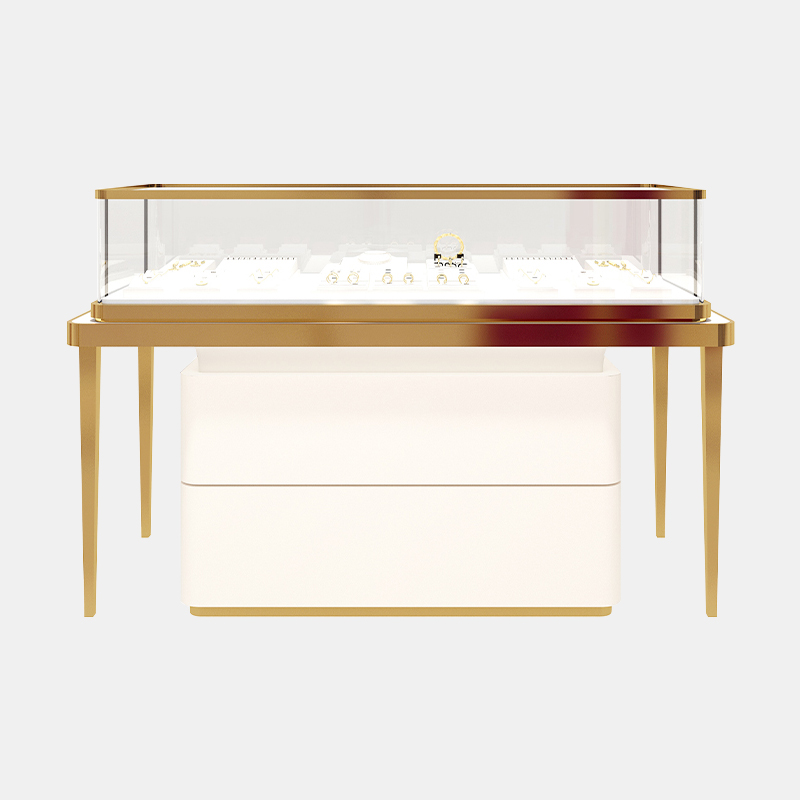
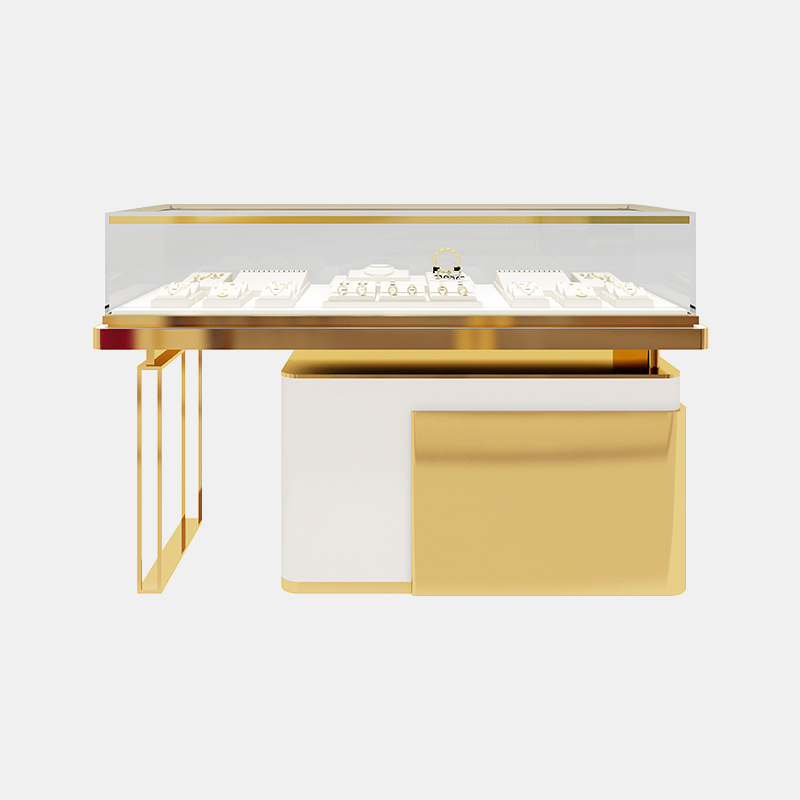
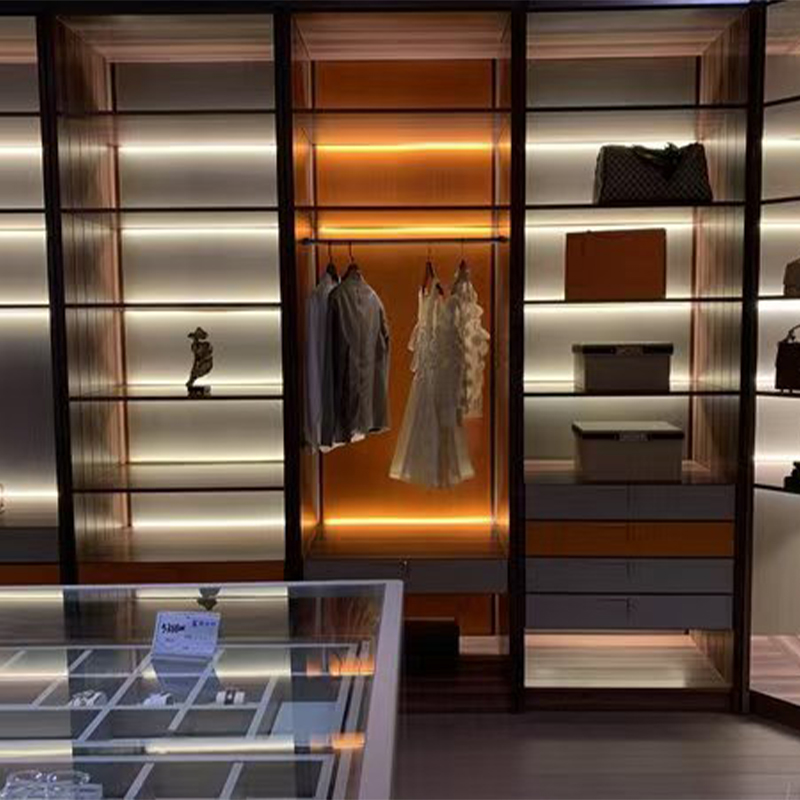 Комбинированный шкаф для одежды из нержавеющей стали с гибкими конфигурациями В этом универсальном шкафу есть места для подвешивания, штабелирования и хранения, которые можно адаптировать к вашим потребностям. Его конструкция из высококачественной нержавеющей стали обеспечивает длительный срок службы, что делает его практичным выбором для модернизации магазина или установки нового оборудования. Посмотреть продукт →
 Компания Zhejiang Suntop Commercial Display Products Co., Ltd. была основана в 2009 году. Завод компании занимает площадь 25 акров, площадь здания составляет 25 000 квадратных метров, а годовая производственная мощность достигает 300 проектов. Suntop в основном обслуживает покупателей ювелирных изделий, косметики, часов, музеев и других предприятий розничной торговли. Компания придерживается узкоспециализированного духа и стремится к совершенству в создании каждого витрины, стремясь идеально отразить концепцию и ценность бренда клиента посредством высококачественных витрин.
После 16 лет глубокого развития в индустрии выставочного реквизита Suntop завоевала награды провинциальных высокотехнологичных предприятий и кредитных предприятий. В то же время компания получила множество патентов на соответствующие отраслевые технологии, что обеспечивает гарантию качества продукции. Для розничных брендов одежды витрина Suntop разработана с упором на визуальный эффект и практическую функциональность. Если вы оцениваете варианты шкафов, как витрины для одежды и багажа улучшают качество обслуживания покупателей является ценной ссылкой.
Ответ: Край сгиба должен быть направлен вниз. Это обнажает воротник и передние детали, благодаря чему покупателям будет легче увидеть стиль и посадку рубашки.
О: Это относится к зоне на уровне глаз покупателя или чуть выше, обычно на высоте 140–160 см от пола, где товары наиболее заметны.
Ответ: Сложите по цветам, затем упорядочите по размеру: самый маленький сверху. Это дает чистый цветовой блок и ускоряет выбор размера.
А: От 140 см до 170 см. Это помещает рубашки в естественную зону обзора покупателя над линией сгиба.
Ответ: Шкафы с регулируемыми полками и прозрачными фасадами позволяют расположить сложенные рубашки на идеальной высоте и сделать их хорошо видимыми.
О: Благодаря складной доске каждая рубашка складывается до одинакового размера, образуя единую профессиональную стопку, которая выглядит более привлекательно.


 ਪੰਜਾਬੀ
 English
 عربى
عربى русский
 中文简体
中文简体